

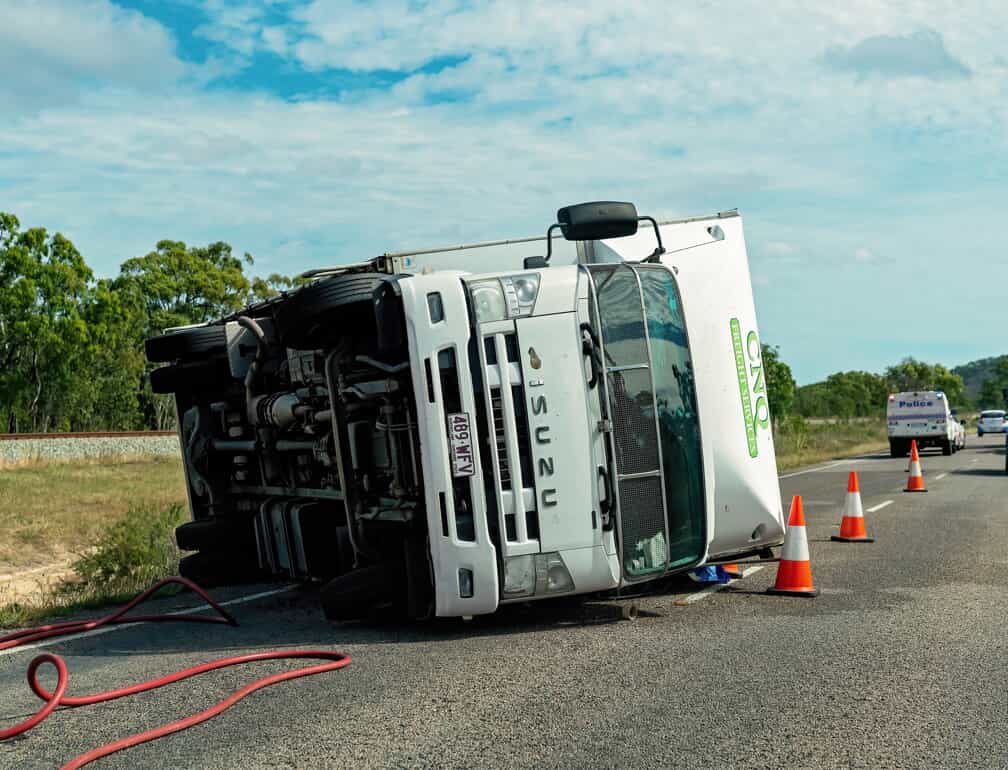
Driving alongside trucks requires heightened awareness and caution. While essential for transporting goods across the country, these large vehicles present unique challenges and risks for smaller vehicles.
Knowing how to share the road safely with trucks is essential for everyone’s safety, whether you are a seasoned driver or a beginner, to avoid being involved in a truck accident.
Here are some critical tips to keep in mind:
Be Aware of Blind Spots
Trucks have significantly larger blind spots, extending along the sides, directly behind, and in front of them. These blind spots, often called “No-Zones,” can hide entire vehicles from the truck driver’s view.
As a rule of thumb, if you can’t see the truck driver in their side mirrors, they likely can’t see you. Steer clear of these blind areas and pass trucks on the left whenever possible.
Maintain a Safe Distance
In 2021, an estimated 523,796 large trucks were involved in traffic collisions across the country that were reported to the police.
Because of their size and weight, trucks need more time and space to stop than cars. Keeping a safe following distance of four to six seconds behind a vehicle is considered a safe braking time. When someone follows a truck closely, visibility is reduced, and there’s a greater chance of a rear-end collision if the vehicle stops abruptly.
Stay Informed and Know Your Legal Options
Even with the best precautions, accidents involving large trucks can still occur due to their size and the challenges they pose. If you’re involved in such an incident, it’s crucial to seek guidance from an experienced injury lawyer. A skilled attorney can help you navigate the legal complexities, protect your rights, and pursue fair compensation for any injuries or damages sustained. Don’t hesitate to get the legal help you need to ensure a smoother recovery process.
Avoid Cutting Off Trucks
Trucks cannot maneuver quickly or easily. Cutting in front of a truck and then abruptly slowing down can be dangerous, as it limits the truck driver’s ability to react promptly. Always use your turn signals and merge smoothly when passing a truck or changing lanes.
Be Patient During Turns
Trucks make wide turns, often swinging to the left to negotiate tight corners. If you encounter a truck signaling for a right turn, give it plenty of space and avoid trying to squeeze by on the right-hand side. This maneuver not only risks a collision but also endangers pedestrians and cyclists who may be near the intersection.
Pass with Caution
Do so quickly and safely when passing a truck. Signal your intention, accelerate to a safe speed, and pass on the left. Avoid lingering beside the car, as wind gusts from passing vehicles can affect stability, especially for high-profile trucks.
Be Aware of Weather Conditions
Inclement weather can exacerbate the challenges of driving near trucks. Road surfaces can become slick, and visibility is reduced by rain, snow, or fog. In bad weather, trucks could take longer to stop or change lanes. Adjust your driving speed accordingly, and give trucks extra space during weather events.
Stay Visible
Ensure you’re always visible to truck drivers. Use your headlights during dusk, dawn, or inclement weather, and avoid driving in no-zones where visibility is limited.
Respect Truck Drivers
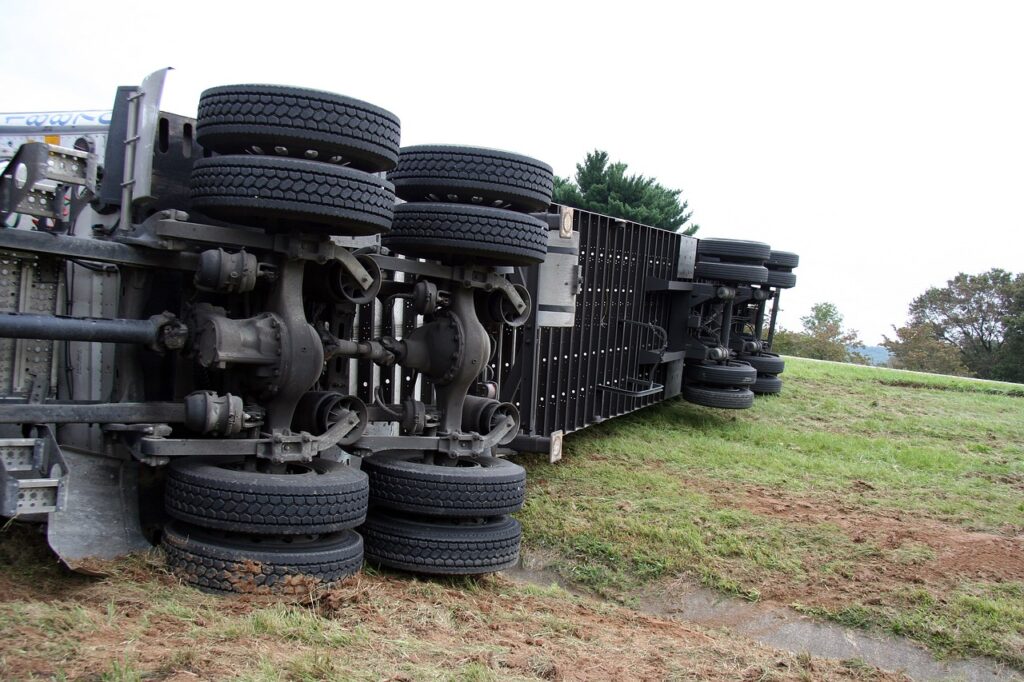
Truck drivers have a challenging job. Treat them with courtesy and respect. Steer clear of aggressive driving practices such as abrupt lane changes, honking excessively, and tailgating.
Stay Informed and Educated
Traffic laws and safety regulations are constantly evolving. Stay informed about the rules and best practices for sharing the road with trucks. A defensive driving course can also provide valuable insights and refresh your skills for safer driving habits.
Following these recommendations and considering the difficulties faced by truck drivers can help lower the risk of accidents and make driving safer for all road users.
This is a collaborative post.