

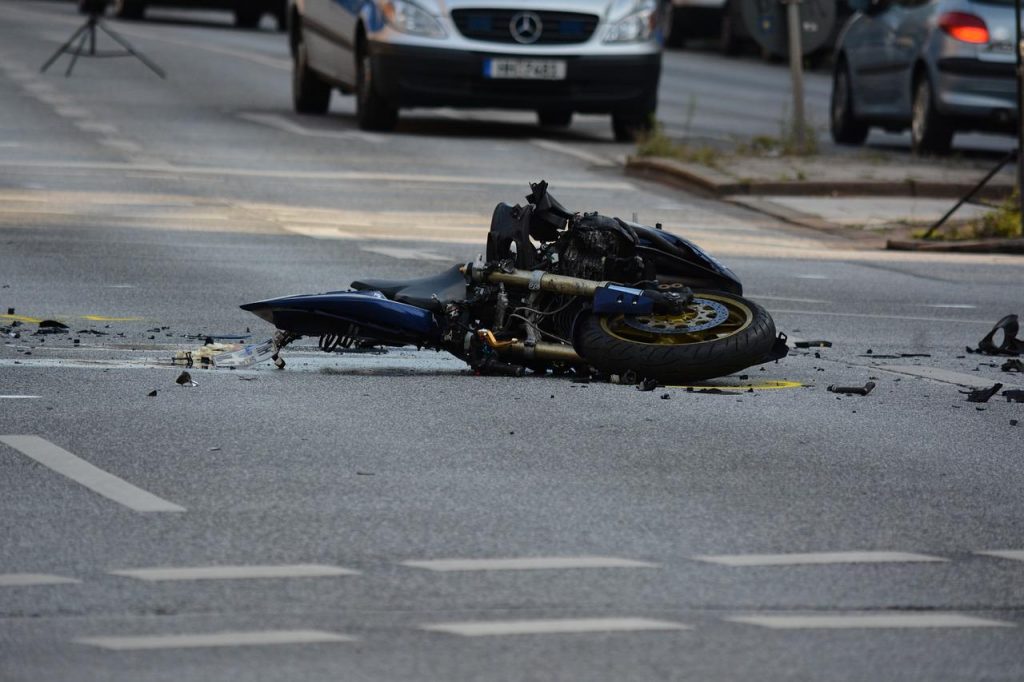
The feeling of freedom that comes with riding a motorcycle is undeniable. Motorcycles offer a unique combination of exhilaration, practicality, and fuel efficiency.
However, unlike cars, motorcycles lack the protective cage that protects passengers in the event of a collision. This inherent vulnerability means that safety should always be the top priority for any motorcyclist.
One of the biggest dangers motorcyclists face is speeding. While the thrill of speed might be tempting, the consequences of exceeding the speed limit on a motorcycle can be catastrophic. Understanding the reasons why motorcyclists break speed limits and the potential consequences is crucial for anyone who rides.
If you’ve been injured in an accident, motorcycle accident lawyers can help you understand your rights and fight for the compensation you deserve.
Why People Opt for Motorcycles
Motorcycles offer several advantages over cars:
- Cost-effective: Motorcycles are generally cheaper to purchase, maintain, and fuel than cars.
- Fuel efficiency: Motorcycles get significantly better gas mileage than most cars, making them a budget-friendly option.
- Parking ease: Finding parking is a breeze on a motorcycle, especially in crowded urban areas.
- Fun and freedom: Many riders enjoy the feeling of freedom and control that comes with riding a motorcycle.
These benefits make motorcycles an attractive choice for many people. However, the enjoyment of riding should never come at the expense of safety.
Why Do Motorcyclists Break Speed Limits?
There are several reasons why motorcyclists might choose to exceed the speed limit:
- Thrill-seeking: The feeling of speed can be exhilarating, and some riders might push the limits to experience that adrenaline rush.
- Misjudging speed: Without the enclosure of a car, the sensation of speed can feel different on a motorcycle. Riders may misjudge their actual speed and end up going faster than they realize.
- Trying to keep up with traffic: On busy highways, some riders might feel pressured to maintain speed with faster-moving cars, even if it means exceeding the limit.
- Rushing to reach a destination: Similar to car drivers, some motorcyclists may speed to save time on their commute or get somewhere faster.
While these reasons might seem understandable, the risks associated with speeding on a motorcycle far outweigh any perceived benefits.
The Consequences of Overspeeding on a Motorcycle
Speeding on a motorcycle is more than just breaking the law; it’s a gamble with your safety. The consequences of exceeding the speed limit can be severe and life-changing.
Here’s a closer look at how speeding impacts a motorcyclist’s safety:
- Reduced Reaction Times: This is a major factor. Our brains need time to process information and react to situations. At high speeds, those precious seconds can vanish. Imagine a car turning left in front of you unexpectedly. At a slower speed, you might have time to brake or swerve to avoid a collision. However, speeding significantly reduces your reaction window, making it nearly impossible to react in time and avoid an accident.
- Increased Stopping Distance: Stopping distance is the total distance your motorcycle travels from the moment you decide to brake to the time it comes to a complete stop. This distance increases dramatically with speed. Think of it like this: The faster you’re going, the farther your motorcycle will travel, even after you apply the brakes. If you’re speeding and see a hazard up ahead, you may not have enough space to stop safely, leading to a collision.
- Loss of Control: Motorcycles handle differently than cars, especially at high speeds. Factors like wind gusts, uneven road surfaces, and leaning into curves can all affect a motorcycle’s stability. Speeding exacerbates these challenges and increases the risk of losing control. A minor wobble at high speed could lead to a catastrophic wipeout.
- Greater Impact Force: The laws of physics are unforgiving. The force of a collision increases exponentially with speed. This means that even a seemingly minor accident at high speed can result in serious injuries. Imagine a motorcycle hitting a car at 30 mph versus 60 mph. The impact at 60 mph will be significantly more forceful, causing much more damage to the rider.
- Limited Protection: Unlike a car with airbags and a crumple zone, a motorcycle offers no external protection for the rider. In a collision, the rider’s body absorbs the full impact of the crash. This can lead to a range of devastating injuries, including:
- Broken Bones: Impacts at high speeds often result in multiple fractures, especially in the arms, legs, and ribs.
- Road Rash: Sliding across at speed can cause severe skin abrasions, which are excruciatingly painful and can lead to scarring.
- Head Trauma: Motorcycle helmets offer some protection, but a high-speed accident can still cause serious head injuries, including concussions and even traumatic brain injuries (TBIs).

These are just some of the potential consequences of speeding on a motorcycle. The reality is that any motorcycle accident can be serious, but speeding significantly increases the risk of severe injury or death.
If you’ve been injured in a motorcycle accident, consulting a motorcycle accident lawyer is crucial. They can investigate the cause of the accident, gather evidence like police reports and witness statements, and determine if speeding played a role. With their expertise, they can fight for the compensation you deserve to cover your medical bills, lost wages, and other damages resulting from the accident.
This is a collaborative post.