

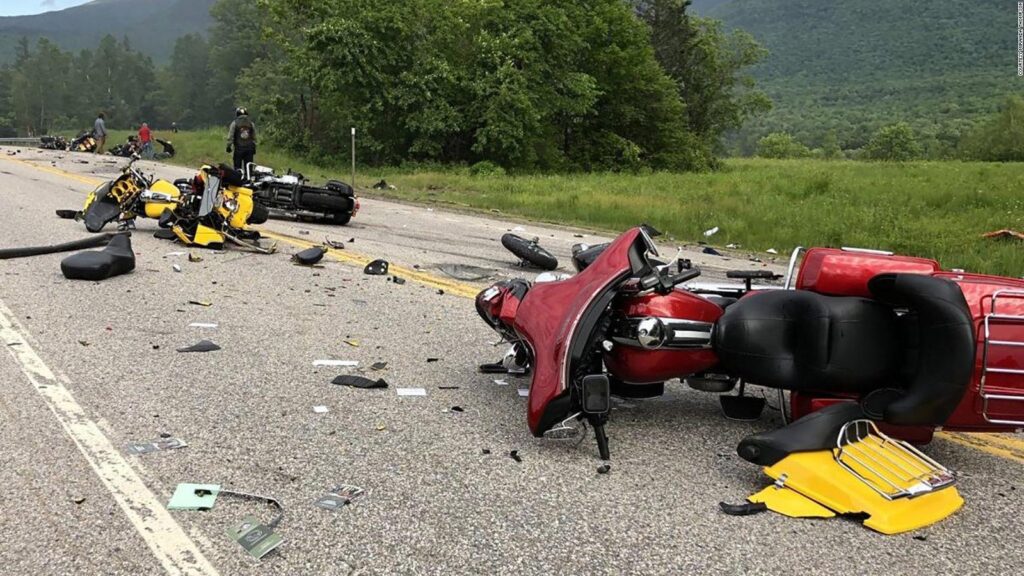
Motorcycles offer a thrilling sense of freedom on the road, but they also come with increased risks. Riders are far more vulnerable to injuries during an accident compared to those in cars. Proper protective gear can significantly reduce the severity of injuries in the event of a crash. Investing in high-quality motorcycle gear is not just a precaution—it could save your life. If you’ve been in an accident and need legal guidance, don’t hesitate to contact motorcycle accident attorneys to discuss your options for compensation and support.
Essential Protective Gear for Motorcycle Riders
1. Helmets: The Most Critical Safety Gear
A helmet is the single most important piece of gear for any motorcyclist. It protects your head and brain during a collision, reducing the risk of traumatic brain injuries. Full-face helmets provide the most comprehensive protection, covering the head, face, and chin. Look for helmets that meet safety standards like DOT, ECE, or Snell certifications.
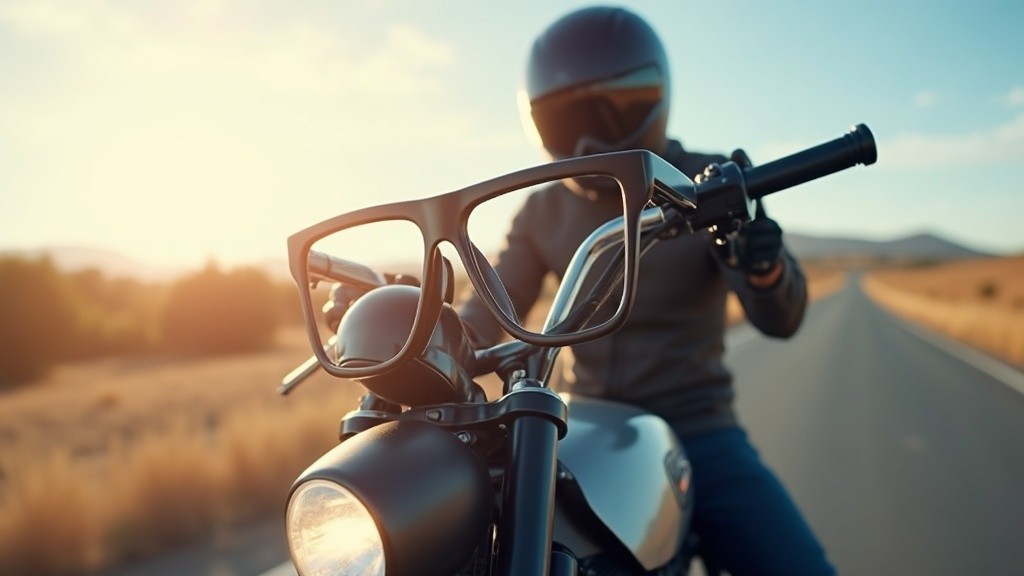
Helmets with built-in visors can also shield your eyes from debris, wind, and harsh sunlight, improving your visibility and safety on the road. For riders who need corrective lenses, prescription motorcycle glasses are an excellent option to ensure clear vision without compromising safety. Remember to replace your helmet after any crash, as it may no longer provide adequate protection.
2. Jackets: Shielding the Upper Body
Motorcycle jackets are more than just a fashion statement—they’re a critical layer of protection. Jackets made of leather or reinforced textiles provide abrasion resistance, preventing severe skin injuries like road rash. Modern motorcycle jackets often feature built-in armor at key impact points, such as shoulders, elbows, and back.
For added safety, opt for jackets with reflective elements or bright colors to enhance visibility to other motorists, especially at night.
3. Gloves: Protecting Your Hands
In a crash, instinct often leads riders to put their hands out to break the fall. Without proper gloves, this can result in severe injuries, including fractures and lacerations. Motorcycle gloves are designed to protect your hands while maintaining flexibility and grip on the handlebars.
Choose gloves made from durable materials like leather, with reinforced knuckles and palm sliders. Weather-specific gloves—such as those with thermal insulation for winter or perforated designs for summer—can keep you comfortable without compromising safety.
4. Pants: Guarding Against Lower Body Injuries
Ordinary jeans might not withstand the impact or abrasion of a motorcycle crash. Protective motorcycle pants are crafted from reinforced materials like Kevlar or Cordura, offering better durability and resistance to tearing.
Many motorcycle pants also include armor at the knees and hips, areas particularly vulnerable during a collision. For added versatility, some pants are designed to zip into jackets, creating a unified protective suit.
5. Boots: Essential for Foot and Ankle Safety
Sturdy footwear is another critical component of motorcycle gear. Sneakers or regular shoes won’t offer sufficient protection in an accident. Motorcycle boots are designed to shield your feet, ankles, and lower legs from impact and abrasion.
Look for boots with reinforced toes, ankle support, and slip-resistant soles. High-quality motorcycle boots can also protect against burns from the bike’s exhaust and provide additional grip on slippery surfaces.
6. Airbag Vests and Jackets: Advanced Protection
Airbag technology has made its way into motorcycle gear, offering an extra layer of safety. Airbag vests and jackets deploy upon impact, providing cushioning for the chest, back, and neck. These innovative devices can significantly reduce the risk of severe injuries in critical areas.
Though more expensive than traditional gear, airbag systems are becoming increasingly popular among safety-conscious riders.
Additional Tips for Safety Gear
- Fit Matters: Ill-fitting gear may not provide adequate protection during a crash. Always try on gear to ensure it fits snugly without restricting movement.
- Weather Compatibility: Select gear appropriate for the climates you ride in to ensure comfort and safety in all conditions.
- Regular Maintenance: Inspect your gear for wear and tear. Damaged gear may fail to protect you in an accident.
Why Proper Gear Is a Must
Protective gear is an essential investment for every motorcyclist. It not only mitigates injuries during an accident but also instills confidence while riding. However, even the best gear cannot entirely eliminate the risk of injury.
If you’ve been injured in a motorcycle crash due to someone else’s negligence, it’s crucial to understand your legal rights. Medical bills, lost wages, and emotional distress can quickly add up. To pursue fair compensation, contact motorcycle accident attorneys who can help you navigate the legal process and advocate for your needs.
Conclusion
Riding a motorcycle comes with inherent risks, but the right gear can make a significant difference in the event of a crash. From helmets to airbag vests, each piece of protective equipment plays a vital role in keeping you safe. Take the time to invest in quality gear, and ensure it’s suited to your riding style and conditions. And if the worst happens, remember that legal support is available to help you recover physically, emotionally, and financially.
This is a collaborative post.